
Comprehensive coverage is a type of auto insurance that helps pay to repair or replace your vehicle if it’s damaged by something other than a collision. This includes events like theft, vandalism, fire, falling objects, weather damage, and hitting an animal. Instead of paying out-of-pocket for unexpected incidents you can’t control, comprehensive coverage helps protect the investment you’ve made in your vehicle.
What is comprehensive insurance?
Comprehensive coverage is a part of your auto insurance policy that helps pay for damage to your vehicle when it’s caused by something other than a collision with another car. It protects your vehicle from many unexpected events that can happen outside of a typical accident.
For example, if your car is stolen, vandalized, damaged by a storm, or hit by a falling tree branch, comprehensive coverage helps cover the cost of repairs or replacement. In short, it’s designed to protect your vehicle from situations that are often beyond your control.
Do I need comprehensive coverage?
Whether comprehensive coverage makes sense for you usually comes down to the value of your vehicle and how much financial risk you’re comfortable taking on.
If your car is financed or leased, your lender will typically require you to carry both collision and comprehensive coverage to protect the vehicle.
If your car is paid off, the decision becomes more personal. Many people still choose to keep comprehensive coverage because replacing or repairing a vehicle after something like theft, vandalism, or severe weather can be very expensive.
Others with older vehicles may decide the cost of the coverage no longer makes sense compared to the vehicle’s value. In those cases, it becomes a conversation about what level of protection feels right for you.
What types of incidents does comprehensive coverage protect against?
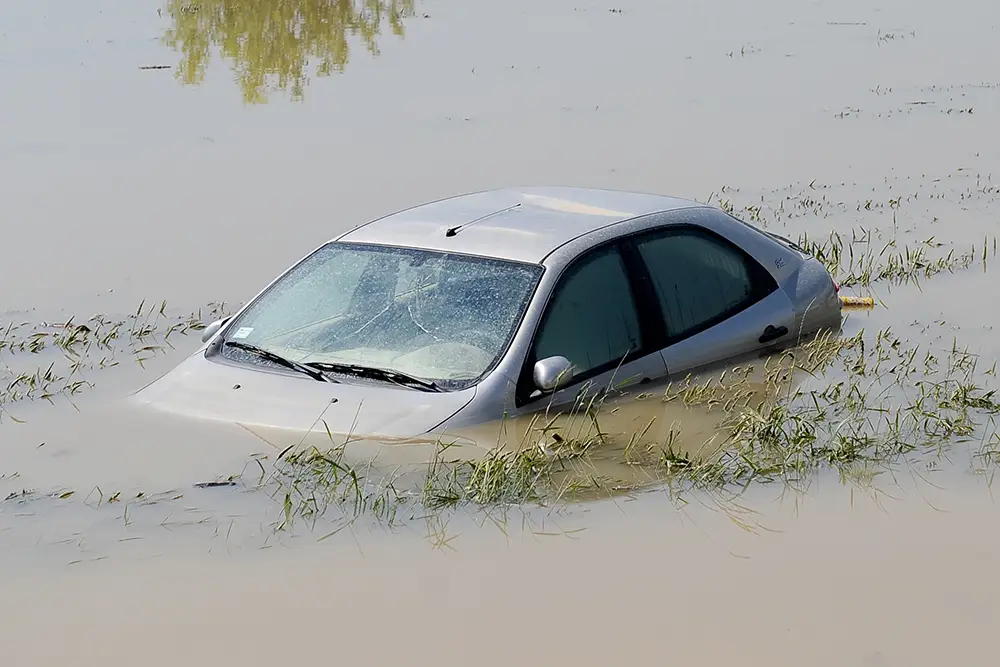
Comprehensive coverage protects your vehicle from several types of unexpected situations that can cause damage. Some of the most common examples include theft, vandalism, fire, hail damage, falling objects like tree branches, flooding, and even hitting an animal while driving. These are situations that don’t necessarily involve another driver but can still result in significant damage to your vehicle. Comprehensive coverage helps make sure you’re not left handling those costs entirely on your own.
What does comprehensive cover?
If your vehicle is damaged during one of these covered events, comprehensive coverage helps pay to repair the damage. If the damage is severe enough that the vehicle is considered a total loss, the coverage can help pay the value of the car at the time of the loss, minus your deductible.
For example, if a major storm causes serious damage to your vehicle or your car is stolen and not recovered, comprehensive coverage helps step in financially so you’re not responsible for replacing the vehicle entirely out of pocket.Collision coverage does not pay for:
What does comprehensive not cover?
While comprehensive coverage protects against many unexpected situations, it does not cover everything.Damage caused by a collision with another vehicle or object while driving would fall under collision coverage instead. It also does not cover normal wear and tear, mechanical issues, or routine maintenance on your car. Things like brake replacements, engine problems due to age, or general upkeep are considered part of owning and maintaining a vehicle. Understanding these differences helps make sure you have the right types of coverage in place for the situations you want protection from.
How much does comprehensive cost?
Comprehensive coverage is usually one of the more affordable parts of an auto insurance policy. The cost can vary depending on factors like the type of vehicle you drive, where you live, and the deductible you choose. Your deductible is the amount you agree to pay out of pocket before insurance helps cover the rest. Choosing a higher deductible can help lower your premium, while a lower deductible means you’ll pay less if you ever need to file a claim.
How do I get comprehensive coverage?
Comprehensive coverage can be added when you first purchase your auto insurance policy, or it can be added later if you decide you want the additional protection. The best place to start is by reviewing the value of your vehicle and thinking about the types of risks you may want coverage for. If you’re unsure what makes the most sense, speaking with an insurance professional can help you understand your options and choose a level of coverage that fits both your vehicle and your budget.
Comprehensive coverage helps protect your vehicle from unexpected events that happen off the road, like theft, weather damage, or vandalism, so you’re not left handling costly repairs on your own. The right deductible and coverage level can give you peace of mind while keeping your policy aligned with your budget and vehicle value. If you’re unsure whether comprehensive coverage makes sense for your situation, our team can review your policy and help you choose protection that fits your needs.